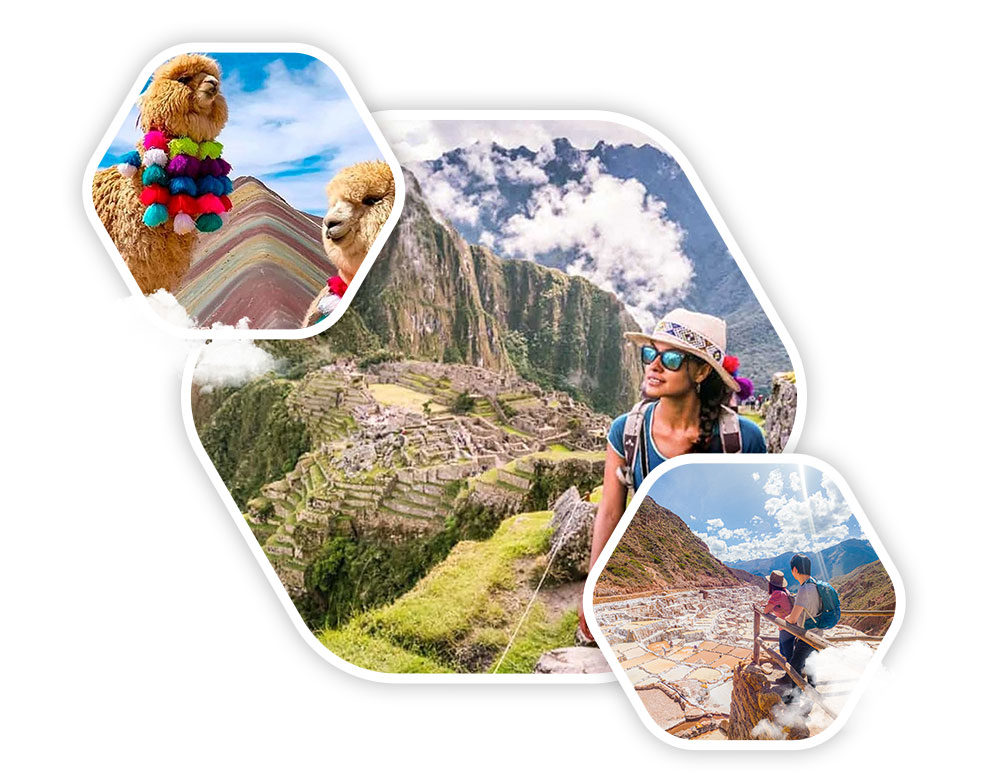
Welcome to Cusco, the ancient capital of the Inca Empire and the gateway to wonders like Machu Picchu, the Sacred Valley or the Rainbow Mountain. If you are planning your next adventure, this article is your complete guide: from how to get there, what to do, where to stay, to when to visit and how to adapt to the altitude. Get ready to immerse yourself in a city where history blends with modernity, and every corner has a story to tell.
Cusco, Peru: The Jewel in the Heart of the Andes
What is Cusco?
Cusco, or Cuzco, is the ancient capital of the Inca Empire and currently one of the most visited cities in South America. Located at (11,152 feet ) 3,399 meters above sea level, Cusco is the gateway to the wonder of the modern world: Machu Picchu. The city combines Spanish colonial architecture with Inca Inca archaeological remains, creating a unique experience that attracts travelers from all over the world.
History of Cusco: From the Inca Empire to the Modern City
Origins and First Inhabitants
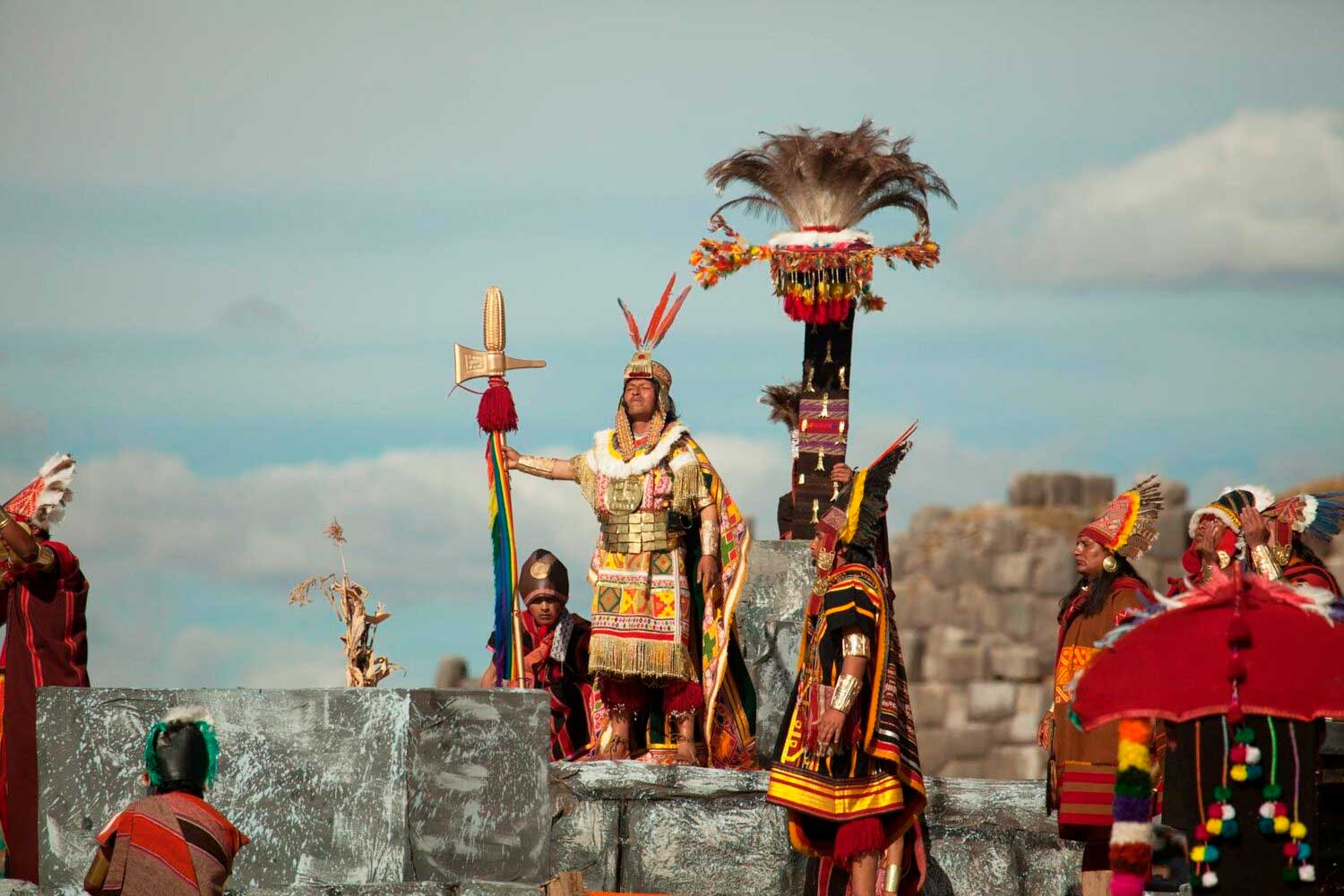
Pachacutec Inca
The earliest human settlements in the Cusco region date back to around 5000 BC, with evidence found in Yauri and Chumbivilcas. However, in the Cusco valley, human presence dates back to approximately 1000 BC, with communities dedicated to agriculture and cattle in places such as Marcavalle. These early cultures, such as Chanapata, had ceramics with peculiar features and unique decorative styles.
The Inca Era
Pachacutec Inca redesigned the city during the 15th century, turning it into the political, administrative and religious capital of the Inca Empire, which was known as the Tahuantinsuyo. The city was planned with an advanced urban structure, reflected in monuments such as Sacsayhuamán.
The Spanish Conquest and Colonial Transformation
On November 15, 1533, the Spanish conquistadors arrived in the region of Cusco. On March 23, 1534, Francisco Pizarro refounded the city for the king of Spain. Cusco was sacked during the conquest and most of its temples and infrastructure were destroyed or remodeled to make way for colonial buildings.
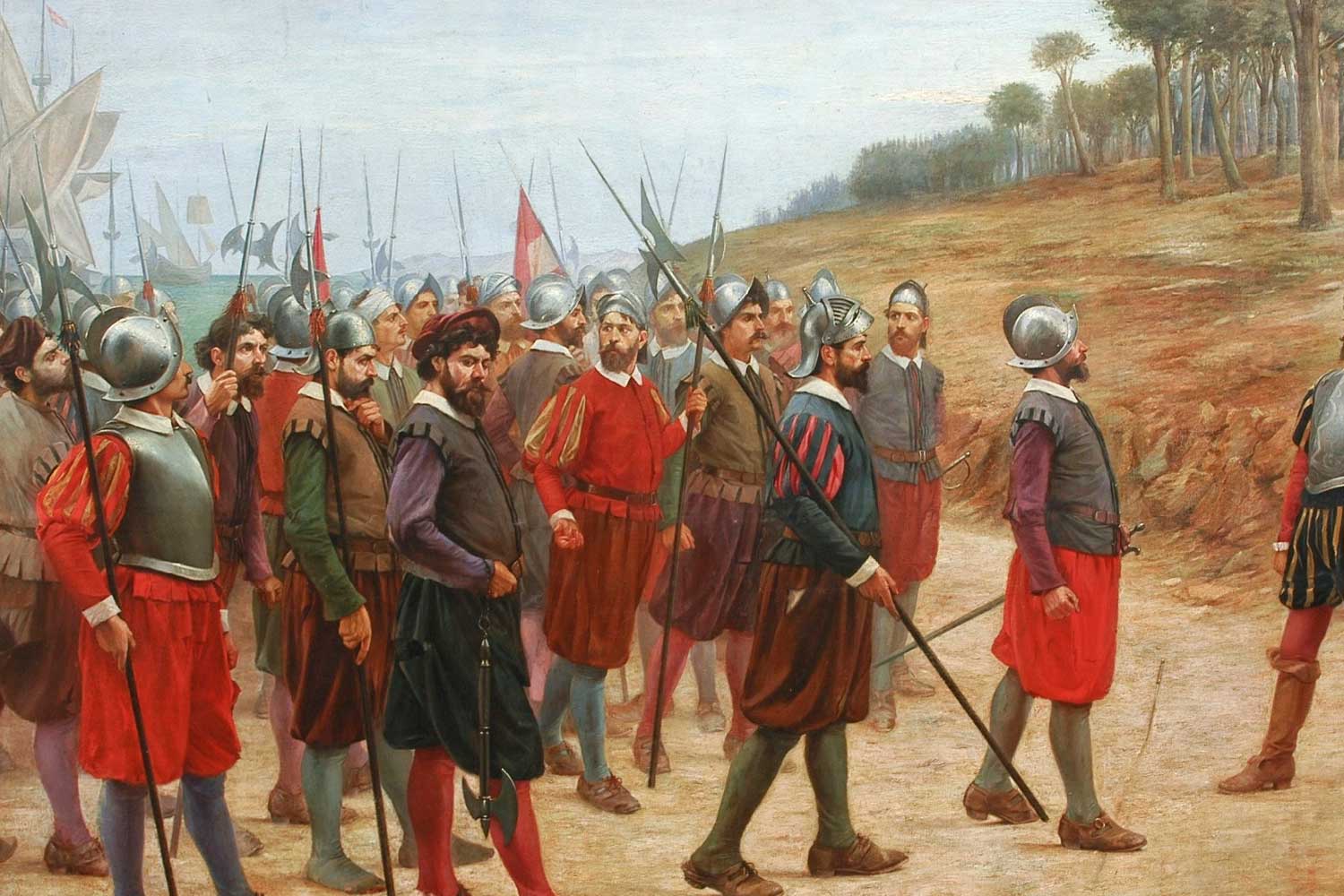
Spanish Invasion
The Catholic Church played an important role in this transformation, replacing many Inca temples with churches and convents, such as the Cathedral and the Convent of Santo Domingo, built on the foundations of Coricancha.
Cusco in the Republic of Peru
After the independence of Peru in 1821, Cusco maintained its importance as a departmental capital. In the late nineteenth century, the city faced economic and social problems due to the wars of independence and epidemics. However, from 1900 onwards, times of positive transformations arrived, with the arrival of the railroad, the canalization of rivers and the opening of streets that favored urban development. An important milestone was in 1911, when the american explorer Hiram Bingham announced the ruins of Machu Picchu to the world, boosting tourism in the region.
Heritage and International Recognition
In 1983, the city of Cusco was declared a World Heritage Site by UNESCO, recognizing its historical and cultural value. The city is a unique testimony to the ancient Inca civilization and represents the pinnacle of 3,000 years of indigenous social development in the southern Peruvian Andes. Today, Cusco is a fascinating city that combines its rich Inca heritage with the Spanish colonial influence, offering a unique experience to visitors from all over the world.
Where is Cusco?
Cusco is located in the southeast of Peru, in the middle of the Peruvian Andes mountain range. It is the capital of the Cusco region and is located in the province and district of the same name. It was once the capital of the Inca Empire and is today one of the most important cities for tourism in South America.
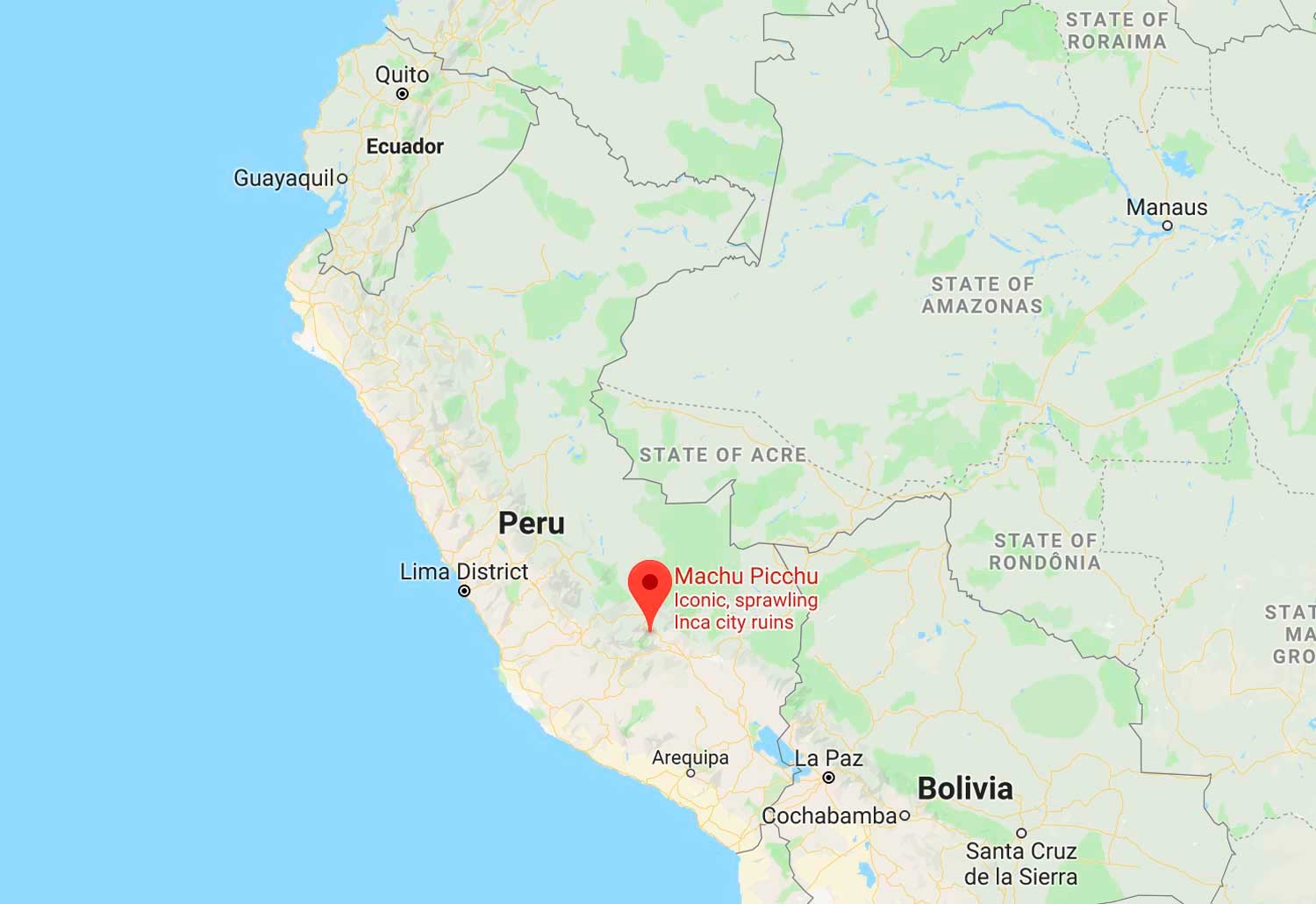
Map of Cusco
Cusco Elevation
Cusco, also known as the “Navel of the World” for having been the capital of the Inca Empire, is located at an altitude of 3,399 meters above sea level (approximately 11,152 feet). This considerable altitude makes Cusco one of the highest cities in Peru and South America. However, this significant altitude also brings some difficulties for visitors, especially those arriving from low altitude or sea level areas.
You should know that altitude not only influences the weather or the type of vegetation in the area, but also directly affects the human body, especially if you are not acclimatized. With an altitude of 3,399 m.a.s.l. (11,152 ft), the oxygen available in the air is lower compared to lower altitudes. Specifically, the atmospheric pressure in Cusco is 30% lower than at sea level, which means there is less oxygen per breath of air.
Altitude sickness in Cusco (Soroche):
What is altitude sickness?
Altitude sickness, also called soroche in Peru, is a physiological condition that affects travelers when they ascend rapidly to high altitude areas without allowing the body to adapt. This occurs because the human body needs time to acclimatize to the reduction of oxygen that exists at a higher altitude area.
In Cusco, many people may experience symptoms of altitude sickness upon arrival in Cusco, especially if they have flown directly from a sea level area.
Main Symptoms of Altitude Sickness
Symptoms can vary in intensity depending on the individual, but the most common symptoms include:
- Hadache
- Nausea and loss of appetite
- Dizziness
- Extreme fatigue
- Shortness of breath
- Imsomnia
- Increased heart rate (palpitations)
In more severe cases (although very rare), complications such as high-altitude pulmonary edema or high-altitude cerebral edema may occur, requiring immediate medical attention.
How to prevent altitude sickness in Cusco?
Fortunately, altitude sickness is usually temporary and can be prevented or minimized. Here are some practical tips:
- We recommend first arriving at an intermediate altitude town such as the Sacred Valley (Urubamba or Ollantaytambo), which is between 2,700 and 2,900 meters, to acclimatize better before going up to Cusco.
- Consult your doctor about the preventive use of medications such as acetazolamide (Diamox), especially if you have a history of high altitude or post- respiratory problems.
- We recommend resting the first day upon arrival in Cusco. Avoid walking long distances or climbing stairs.
- Hydrate constantly. Drink plenty of water to help your body adapt, this will prevent headaches and dehydration.
- Avoid alcohol, coffee and heavy meals during the first 24 hours.
- Drink coca tea or muña tea, a traditional infusion very popular in Cusco to alleviate the symptoms of soroche.
- Eat lightly and in small portions.
When to get medical help?
You should seek medical attention if:
- Your symptoms do not improve after 2 days.
- You have frequent vomiting, confusion, severe shortness of breath, coughing up blood, or loss of balance.
- You have heart or lung disease or are pregnant (consult a doctor before traveling).
Weather in Cusco During the Year
Located in the heart of the Peruvian Andes, the city of Cusco (former capital of the Inca Empire) and starting point for visiting Machu Picchu offers a dry temperate climate. At an altitude of 3,399 meters above sea level (11,152 feet), Cusco experiences relatively stable temperatures throughout the year, but with two distinct seasons: the dry season and the rainy season. Knowing how the climate in Cusco varies throughout the year is key to planning a smooth trip.
Dry season in Cusco (May to October)
The dry season, also known as the Andean winter, runs from mid-April or May to the end of October. This is the best time to visit Cusco, as days are usually sunny and there is little or no rainfall.
- Daytime temperatures: between 17 °C and 21 °C (63 °F – 70 °F)
- Nighttime temperatures: drop considerably, from 0 °C to 5 °C (32 °F – 41 °F)
- General weather: clear skies, dry days, and cool nights.
Many important festivities such as Inti Raymi (June 24) are celebrated during this time of the year, and this is when most tourists choose to tour Cusco, the Sacred Valley and hike the Inca Trail to Machu Picchu. The trails are at their best, the scenery is clear and uncluttered, and the weather conditions favor photography and outdoor activities.
Rainy season in Cusco (November to March)
The rainy season runs from November to March, with more intensity in January and February. Although rainfall is frequent, it does not occur throughout the day.
Daytime temperatures: between 18 °C and 22 °C (64 °F – 72 °F)
Nighttime temperatures: between 7 °C and 10 °C (44 °F – 50 °F)
General weather: cloudy days, intermittent rain, higher humidity.
During this season, the landcapes are intensely green and full of life, ideal for nature lovers and landscape photography. However, it is important to know that some activities such as the classic 4-day Inca Trail may be affected, and in February it is usually closed for maintenance.
When is the Best Time to Visit Cusco?
The best time to visit Cusco is during the dry season, the skies are clear, and the city celebrates traditional festivals like Inti Raymi (the Sun Festival). During this period, Cusco offers ideal conditions for hiking and trips to Machu Picchu. Rainfall is minimal, making it perfect for exploring the Sacred Valley, trekking the Inca Trail, and enjoying the breathtaking landscapes. Although daytime temperatures are pleasant, ranging between 17°C and 21°C (63°F – 70°F), nights can be quite cold, reaching as low as 0°C (32°F), so warm clothing is recommended. This season also coincides with the highest influx of tourists, so it is advisable to book accommodation and tours in advance.
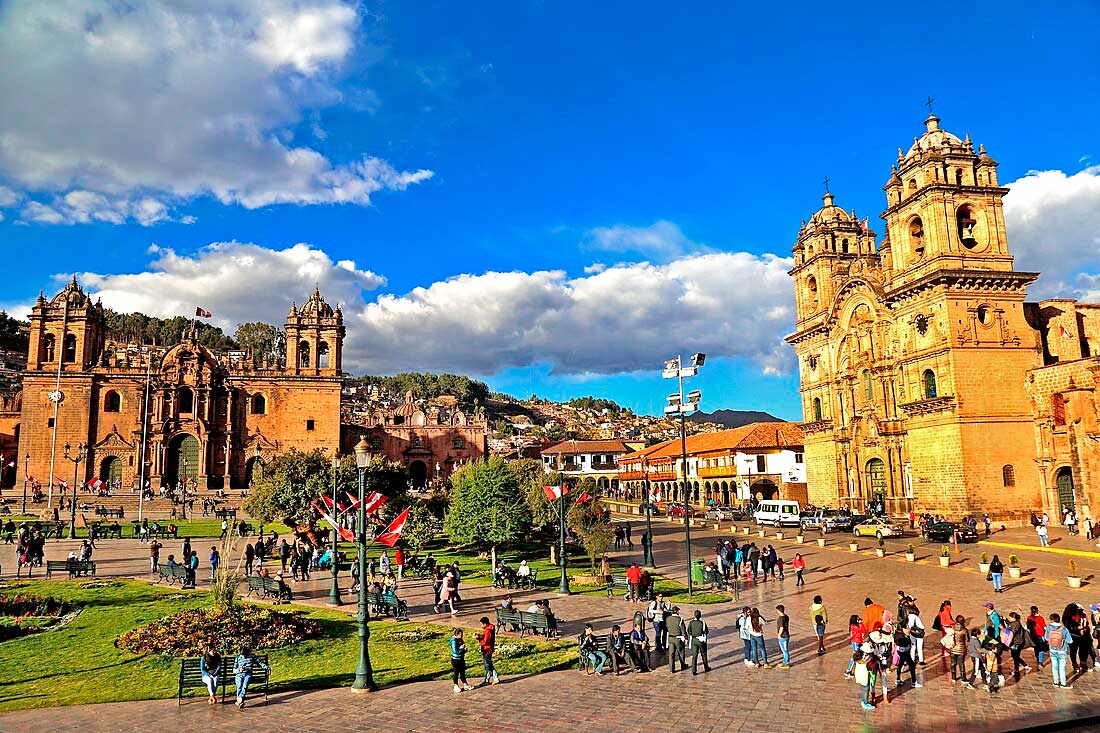
Cusco Best Time to Visit
The months less advisable to travel to Cusco are January and February. During this time the rains are more intense. Some trekking routes are suspended and there is a risk of landslides or temporary closures. If you decide to travel in this season, we recommend that you bring waterproof clothing, appropriate footwear and have some flexibility in your itinerary.
How to Get to Cusco?
Cusco is one of the most visited cities in South America, is the starting point to discover wonders like Machu Picchu. But before exploring its magical destinations, it is important to know how to get to Cusco from different parts of Peru and abroad. Here are all the options available, both by air and land, so you can choose the one that best suits your time, budget and travel style.
Getting to Cusco by plane:
From Lima (capital of Peru)
The fastest and most popular way to get to Cusco is to take a flight from Lima. The journey takes approximately 1 hour and 15 minutes, and there are multiple daily flights operated by airlines such as:
- LATAM Airlines
- SKY Airline
- JetSmart
Flights are frequent and cheap fares can be found if booked in advance.
From other regions of Peru
There are also direct flights from other important cities of Peru:
- Arequipa – Cusco (duration: 1 hour approx.)
- Puerto Maldonado – Cusco (40 minutes approx.)
- Juliaca (Puno) – Cusco (1 hour approx.)
These flights are ideal if you are touring the south of Peru.
Getting to Cusco by land:
If you prefer to take a bus to enjoy the Peruvian landscapes, there are several routes available from different parts of the country. Consider that the overland journey can be long due to the mountainous geography of the region.
From Lima to Cusco by land
Getting to Cusco from Lima by bus – Cusco has an approximate distance of 1,100 km, it can take between 20 and 24 hours.
Options:
Interprovincial buses: Companies such as Cruz del Sur, Civa or Oltursa offer comfortable services in bed or semi-bed type seats.
What to Do in Cusco
The Best Activities and Places to Visit in Cusco
Cusco, is not only the gateway to Machu Picchu, but a destination rich in history, culture, colonial architecture and breathtaking scenery. This magical city is one of the most fascinating destinations in South America. If you are wondering what to do in Cusco, here is a complete guide with the best experiences to make the most of your visit.
Explore the Historic Center of Cusco:
The center of Cusco is a historical monument. Walking through its streets is like traveling back in time.
Not to be missed:
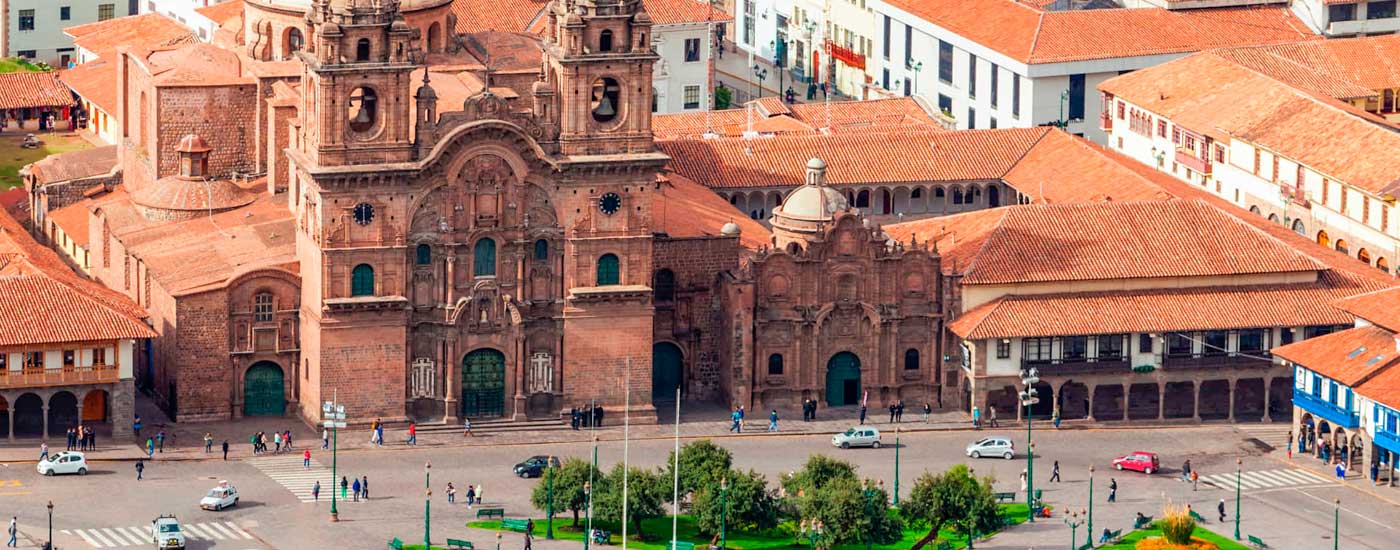
- Plaza de Armas: heart of the city, surrounded by colonial churches, alpaca shops, restaurants and cafes.
- Cusco Cathedral: impressive temple with colonial religious art and Inca influences.
- Iglesia de la Compañía de Jesús: one of the most beautiful examples of Cusco’s baroque style.
- Hatun Rumiyoc Street: famous for the Stone of the 12 angles, a symbol of Inca engineering.
Visit Sacsayhuaman and the 4 nearby ruins:
Just minutes from the center of Cusco, you will find impressive archaeological ruins, ideal for a half day of exploration.
Includes:
- Sacsayhuaman: ceremonial fortress with perfectly assembled giant stones.
- Qenqo: ceremonial center with subway passages.
- Puka Pukara: ancient Inca military checkpoint.
- Tambomachay: known as the water temple, for its ritual water channels.
- Tip: You can do this tour on foot, on horseback or in a City tour (half day tour).
Visiting local markets
Not to be missed:
San Pedro Market: the most traditional market in Cusco. Ideal for tasting natural juices, buying souvenirs and observing local life.
Day Trips from Cusco
Cusco is not only the starting point to Machu Picchu, but also the perfect hub for unforgettable day trips. Whether you are short on time or looking for unique experiences, day tours from Cusco will allow you to discover amazing landscapes, traditional villages and archaeological wonders without the need to sleep out.
Here are the best options to make the most of your stay in Cusco with one-day departures.
1) Cusco City Tour
Discover the most important sites in and around the city. Visiting the ruins of Sacsayhuaman, Qenqo, Puka Pukara, Tambomachay, the Cathedral and the Temple of the Sun (Qoricancha). This is the best half day tour for the first day in Cusco and acclimatize to the altitude.
2) Walking Tour in Cusco
Walk with local guide through the cobblestone streets of the historic center of the city. Get to know the Plaza de Armas, the neighborhood of San Blas, colonial streets, legends, history and hidden details that are not seen in the classic tours. This tour is generally free.
3) Planetarium Cusco
A unique astronomical experience. You will learn about the Andean cosmovision and Inca astronomy, observe the real sky with telescopes and learn how the ancient Peruvians interpreted the stars. This tour is ideal for families, couples and night sky lovers.
4) Visit the Sacred Valley of the Incas
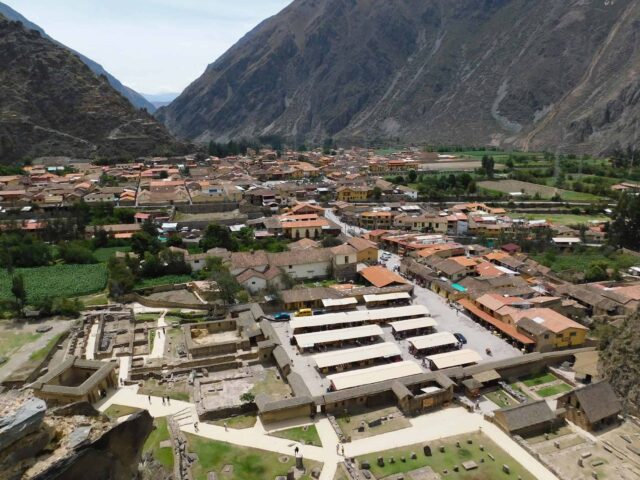
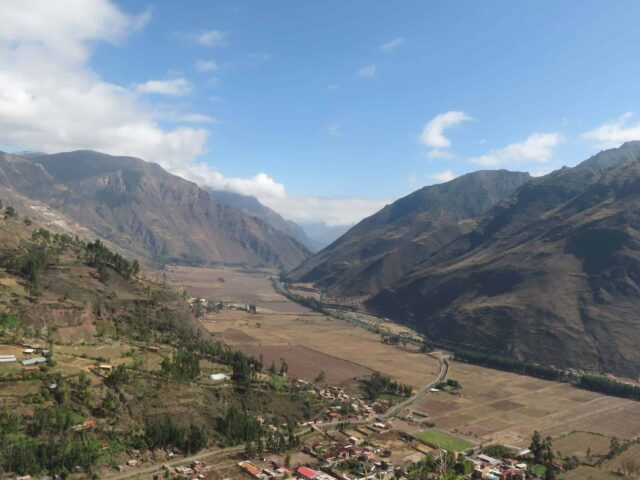
Full day tour through the main towns in the Sacred Valley such as Pisac, Ollantaytambo and, in some cases, Chinchero. Archaeological ruins, handicraft markets and impressive landscapes. This tour is recommended as a connection to Machu Picchu.
5) Machu Picchu Full Day
One day trip from Cusco to Machu Picchu that includes transfer by train, bus and guided visit to the citadel of Machu Picchu. Perfect for those with limited time but do not want to miss this wonder of the world.
6) Rainbow Mountain (Vinicunca)
Full day tour to one of the most impressive landscapes in Peru. The hike takes between 1.5 and 2 hours at more than 5,000 meters above sea level. It is a physical challenge, but the view is worth it.
7) Humantay Lagoon
Adventure tour to Humantay lake, located in the foothills of the Humantay snow-capped mountain. Moderate difficulty hike from the town of Soraypampa. This day trip is highly recommended for nature lovers.
8) Maras, Moray and Salt Mines
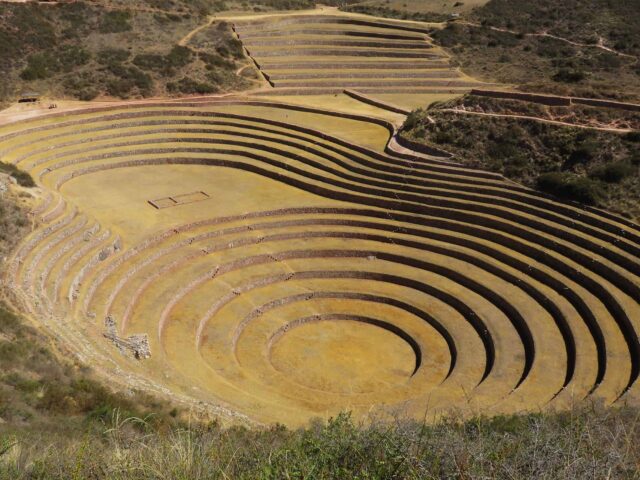
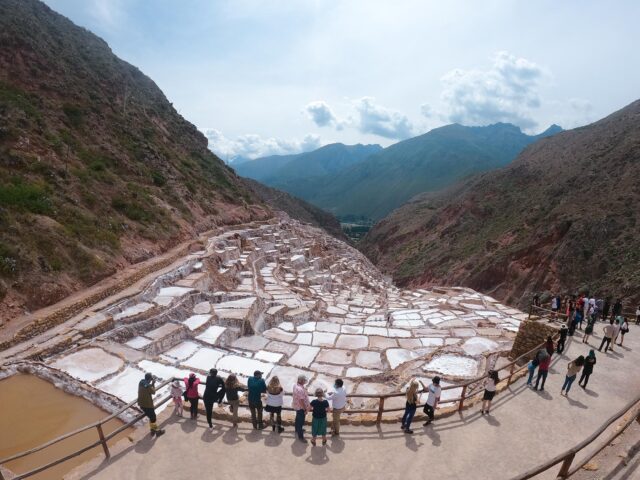
Half day tour from Cusco that combines Inca history with unique landscapes. We visit Moray, an ancient agricultural laboratory, and the salt mines of Maras, impressive white terraces of natural salt. It can be done from Cusco or Ollantaytambo.
9) South Valley of Cusco
Not very touristy route that includes sites such as Tipon, famous for its Inca canals; Pikillacta, a pre-Inca city; and the church of Andahuaylillas, known as the Sistine Chapel of America. An excellent option for travelers interested in culture and archeology.
Visit the Barrio de San Blas
San Blas is Cusco’s bohemian neighborhood, ideal for those who just arrieved. Just a few minutes from the Plaza de Armas, its steep cobblestone streets lead you into a world of local artisans, small art galleries and stores with unique souvenirs. It is perfect for a leisurely stroll, discovering traditional workshops and enjoying a coffee overlooking the rooftops of Cusco. Don’t miss the San Blas viewpoint and the colonial church with its famous carved wooden pulpit. A place full of charm, history and local creativity.
Visit the Museums in Cusco
Cusco is much more than ruins and landscapes. It is a city where history is present in every street and carefully preserved in its museums. Visiting its museums is to immerse oneself in the deepest roots of the ancient city, to explore the encounter between Andean and European cultures, and to admire the art, spirituality and daily life of pre-Columbian civilizations.
List of the main museums in Cusco:
- Inka Museum
- Museum of Pre-Columbian Art (MAP)
- Qorikancha – Santo Domingo Convent
- Regional Historical Museum (House of the Inca Garcilaso de la Vega)
- Museum of Religious Art (Archbishopric)
- Qorikancha Site Museum
- Coca Museum
- Museum of Contemporary Art
- Machu Picchu Museum – Concha House
Where to Stay in Cusco?
Choosing the right place to stay is key to fully enjoy the city and its surroundings, such as the Sacred Valley, Machu Picchu, and the surrounding archaeological sites. Fortunately, Cusco has a wide variety of accommodations to suit all types of travelers: from backpackers to luxury tourists.
The most recommended area to stay is in Cusco is the historic center of the city, especially near the Plaza de Armas, where most tourist attractions, restaurants, bars, travel agencies and museums are concentrated. Staying here will allow you to move around easily on foot and make the most of your time. Many of the colonial buildings in the city have been transformed into boutique hotels and preserve their original architecture, which gives a special charm to your stay.
Recommendations According to the Type of Traveler:
Backpackers or budget travelers:
Pariwana Hostel Cusco – Popular among young travelers, with good common areas and central location.
Hostel Kokopelli Cusco – Social atmosphere, ideal for meeting other backpackers.
Hospedaje Turístico Recoleta – Economic and quiet, with excellent family attention.
Mid-range travelers:
Tierra Viva Cusco Centro – Comfortable, located in the center and with breakfast included. Excellent value for money.
Casa San Blas Boutique – Located in the heart of San Blas, cozy and with views of the city.
Maytaq Wasin Boutique Hotel – Just two blocks from the Plaza de Armas, ideal for a good rest after a day of tours.
Luxury travelers:
Belmond Hotel Monasterio – Former 16th-century monastery converted into a five-star hotel. History, art and first class service.
Palacio del Inka, a Luxury Collection Hotel – One of the most luxurious and traditional hotels in Cusco, facing the Qorikancha.
JW Marriott El Convento Cusco – Elegance and comfort in a colonial mansion with spa, gourmet restaurant and oxygen service.
Where to Eat in Cusco?
Cusco is not only famous for its history and architectural beauty, but also for its delicious food. The imperial city is a true culinary paradise that combines traditional Andean ingredients with modern techniques, offering unique experiences for travelers. From gourmet restaurants to local markets and charming little cafes, Cusco has something for every palate.
Conclusions:
Cusco is a genuine experience, not merely a place to stop en route to Machu Picchu. History, culture, positive energy, and breathtakingly gorgeous scenery abound in this place. With its blend of Spanish colonial artifacts and ancient customs, this ancient Inca city has a story to tell in every corner.
What about the food? higher level. Street snacks and upscale fusion restaurants are both available, and they all use delicious ingredients from the Amazon or the Andes. Every time you sit down to eat, it feels like a culinary adventure.
A trip to Cusco is a fantastic experience that allows you to connect with the land, ancient history, living cultures, and even a deeper aspect of yourself as a traveler.