Located high in the Peruvian Andes, Machu Picchu is not only a cultural and architectural marvel, but also an experience shaped by altitude. Understanding how high Machu Picchu is and what that means for travelers is essential for a safe and memorable visit.
In this guide, you will learn:
- The exact altitude of Machu Picchu in feet and meters.
- How altitude can affect your body.
- Tips for preparing for and avoiding altitude sickness.
- Interesting facts and frequently asked questions that answer popular search queries.
Let’s start with the most frequently asked question…
Machu Picchu Elevation
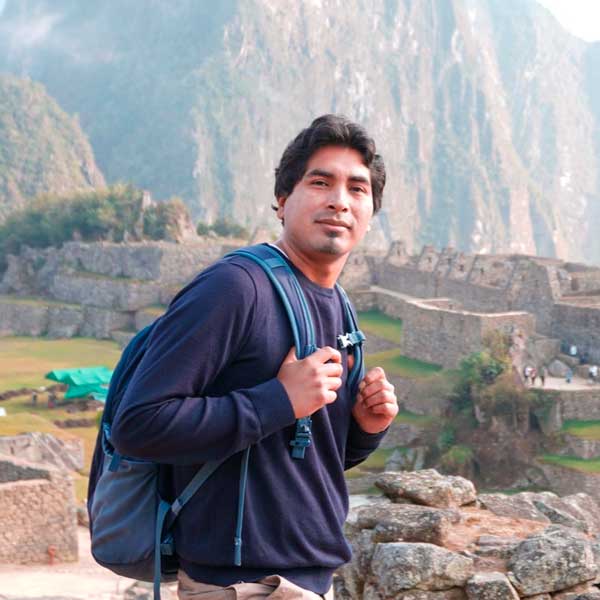
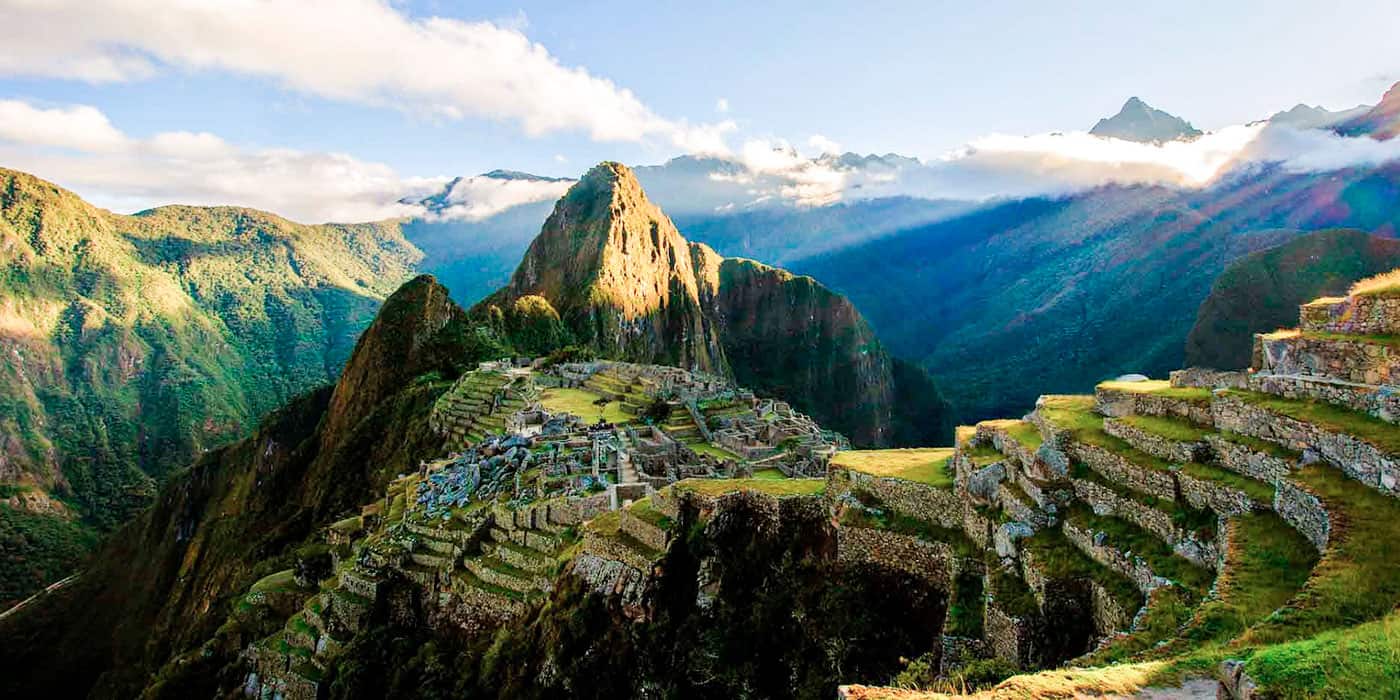
Machu Picchu is located at an altitude of approximately 2,430 meters (7,972 feet) above sea level, nestled in the Andes Mountains of Peru. Although it is not the highest point in the region, this altitude still places it in a zone considered to be high altitude. For most travelers, especially those coming from low-lying areas, this altitude can have noticeable effects. The oxygen content is lower, and it is not uncommon to feel short of breath or slightly tired, especially during your visit at the site of Machu Picchu. However, Machu Picchu is actually lower than Cusco (3,399 meters or 11,152 feet), which means that many visitors feel better after descending from Cusco to the ruins of Machu Picchu.
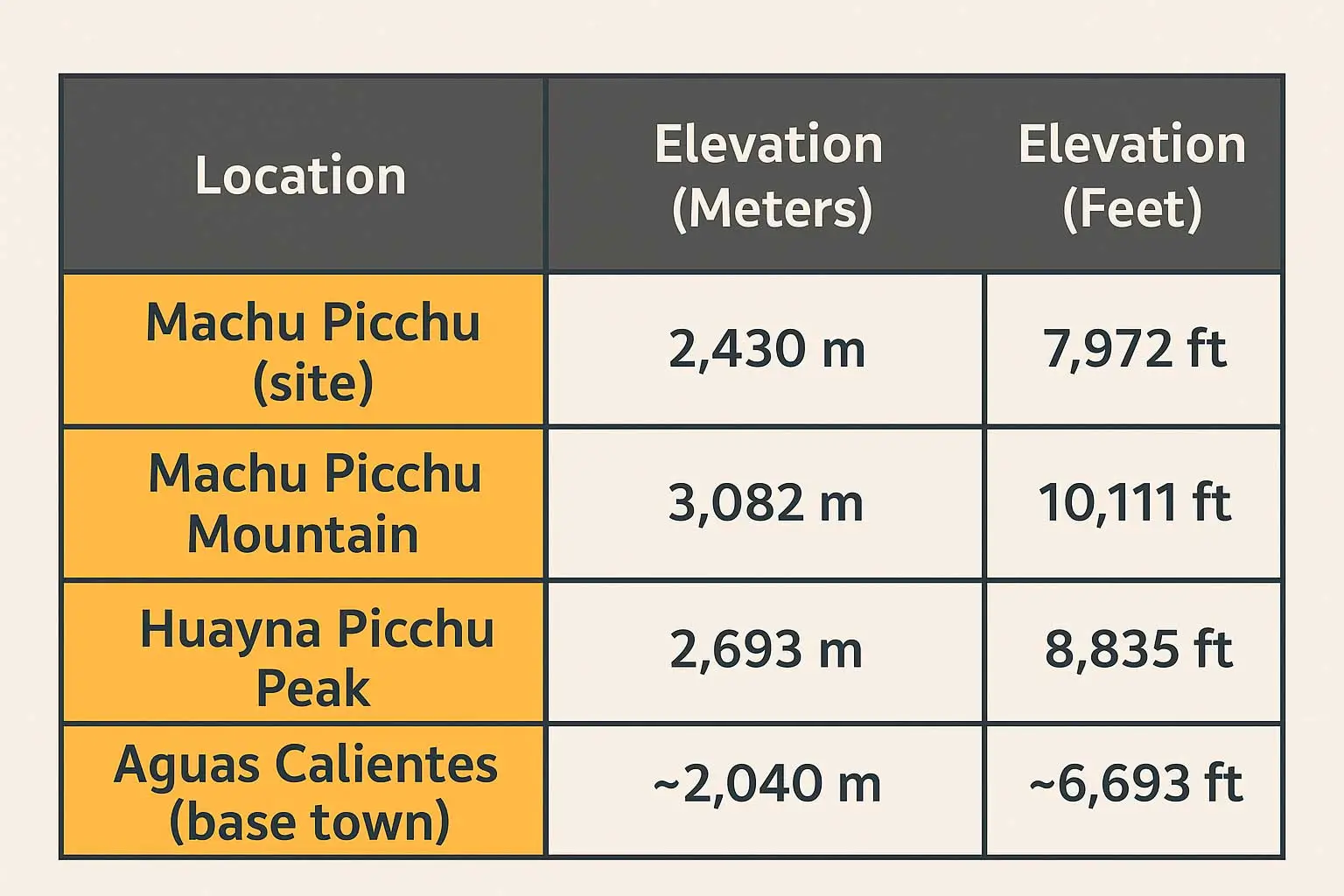
Elevation map of Machu Picchu and Surrounding Areas
The altitude of the site adds to its mystique. Surrounded by steep cliffs and lush cloud forest, the altitude offers breathtaking views and a sense of seclusion that has protected Machu Picchu from the outside world for centuries. For those looking to explore even further, nearby peaks such as Huayna Picchu (2,693 meters) and Machu Picchu Mountain (3,082 meters) offer even higher panoramic views that reward the effort of a challenging climb.
Although the altitude of Machu Picchu is not extreme, it is important to acclimatize properly—spend a day or two in the Sacred Valley before your visit, drink plenty of fluids, and take your time when exploring the site.
So how high above sea level is Machu Picchu? The altitude of Machu Picchu is approximately:
- 2,430 meters
- 7,972 feet
Compared to other high-altitude destinations in Peru, Machu Picchu is at a moderate altitude. Although it is lower than Cusco (3,399 m / 11,152 ft), it is still high enough to affect travelers who are not accustomed to thinner air.
Machu Picchu
Machu Picchu, is located about 50 miles (80 km) northwest of Cusco, Peru, in the Cordillera de Vilcabamba of the Andes Mountains. Machu Picchu was forgotten after the fall of the Inca Empire and rediscovered 400 years later. Machu Picchu remained undiscovered during the period of Spanish occupation and survived for centuries, despite earthquakes in the area. It wasn’t until a local farmer discovered it probably in 1904 and the explorer Hiram Bingham rediscovered it in 1911then Machu Picchu became known to the rest of the world.
Visiting Machu Picchu is incredibly popular, with over 6500 people entering the archaeological site each day, which makes it one of the most visited places in the world.
Altitude Sickness in Machu Picchu
Not really, there is a lot of misinformation indicating that Machu Picchu is at a higher elevation than Cusco, and that you should be acclimatized before visiting, this information is completely wrong. Machu Picchu is located on top of a mountain but at a lower altitude than Cusco. The chances of suffering from altitude sickness are quite low compared to visiting Cusco.
Don’t get confused, the elevation of the Inca citadel of Machu Picchu or » Llacta of Machu Picchu» is not the same as the Machu Picchu Mountain or the Wayna Picchu Mountain , both are totally different places.
Is Cusco at a higher altitude than Machu Picchu?
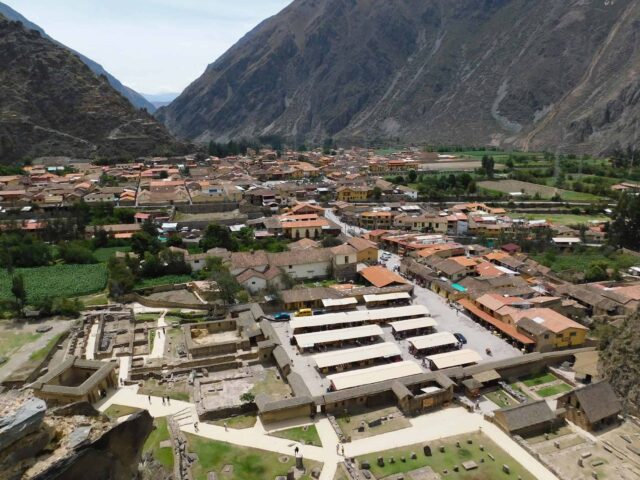
Since Cusco sits at a higher altitude than Machu Picchu, it’s recommended to transfer down into the Sacred Valley to acclimate to the altitude. Cusco is a old city located at an altitude of 3,399 meters / 11,152 feet above sea level, so going to Ollantaytambo or Urubamba, at 2,870 meters / 9416 feet above sea level., or Machu Picchu, at 2,430 meters/7,972 feet, can make a big difference.
Machu Picchu Mountain Altitude
As an alternative to the Huayna Picchu climb you can climb Machu Picchu Mountain. The elevation of the summit of Machu Picchu Mountain is 3,082 meters (10,111 feet) above sea level. The Machu Picchu Mountain is the highest altitude you can reach in Machu Picchu. Here you might get altitude sickness due to its altitude, similar to Cusco. If you want to add extra adventure to your trip to Machu Picchu we advise you to stay at least 1 day in Cusco to avoid altitude sickness.
Huayna Picchu Mountain Altitude
The peak of Huayna Picchu is 2,693 metres (8,835 ft) above sea level, or about 260 metres (850 ft) higher than the city Inca of Machu Picchu. Climbing Huayna Picchu is physically challenging but it’s hands down one of the best things to do in Machu Picchu.
Cusco Elevation
Cusco is a city located in the Peruvian Andes at an elevation of 3,399 meters above sea level, lower than Machu Picchu
Will I get altitude sickness in Cusco?
The city of Cusco is located at an altitude of 3,400 meters and it is normal for many visitors to experience some mild symptoms of altitude sickness in Cusco, or «soroche», as it is commonly known locally.
How long do you need to acclimatize in Cusco?
Acclimatization time in Cusco, Peru can vary depending on the individual and their level of physical fitness. Cusco sits at an altitude of 3,399 meters (11,152 feet) above sea level, which can cause altitude sickness in some people. It is recommended to spend at least 48 to 72 hours in Cusco to acclimatize before attempting any strenuous activities.
During this time, it is important to stay well-hydrated, avoid alcohol, and eat light meals. If you experience symptoms of altitude sickness such as headache, nausea, dizziness, or shortness of breath, it is important to rest and seek medical attention if necessary.
It is also recommended to consult with a healthcare professional before traveling to high altitude destinations if you have a pre-existing medical condition or if you are unsure about your ability to acclimatize to high altitudes.
Is it hard to breathe in Cusco?
The high altitude of Cusco, which sits at 3,399 meters (11,152 feet) above sea level, can make it more difficult to breathe for some people, especially those who are not used to being at high altitudes. The air at high altitudes contains less oxygen than at sea level, which can cause some people to experience symptoms of altitude sickness, such as shortness of breath, headaches, dizziness, and nausea.
Do you need oxygen in Cusco?
It is not typically necessary for most visitors to Cusco to use oxygen, but some people may find it helpful if they experience symptoms of altitude sickness. Oxygen can be obtained from local pharmacies and medical clinics in Cusco.
However, it is important to note that the use of oxygen does not treat the underlying cause of altitude sickness, which is a lack of oxygen at high altitudes. It can help alleviate symptoms temporarily, but the best way to treat altitude sickness is to descend to a lower altitude and allow the body to adjust to the thinner air.
If you experience severe symptoms of altitude sickness, such as extreme shortness of breath, confusion, or loss of consciousness, seek medical attention immediately.
How do you deal with Cusco altitude?
The high altitude of Cusco can be challenging for some visitors, but there are several ways to deal with it and reduce the risk of altitude sickness:
- Acclimatize gradually: Spend a few days in Cusco to allow your body to adjust to the high altitude before attempting any strenuous activities.
- Drink plenty of water: Staying hydrated can help reduce the risk of altitude sickness. Drink at least 2-3 liters of water per day.
- Eat light meals: Avoid heavy meals that can make you feel sluggish and make it harder to breathe. Eat small, frequent meals that are high in carbohydrates and low in fat.
- Avoid alcohol and caffeine: Alcohol and caffeine can dehydrate the body and make it harder to adjust to the high altitude.
- Take it easy: Avoid hard activities for the first few days in Cusco. Rest as much as possible and avoid overexertion. This will help you a lot.
Inca Trail Elevation
The Inca Trail is a hiking trail in Peru that leads to the ancient Inca ruins of Machu Picchu. The highest point on the classic Inca Trail is the Warmiwañusca Pass, also known as Dead Woman’s Pass, which reaches an elevation of 4,215 meters (13,828 feet) above sea level.
The starting point of the trail in Cusco is at an elevation of approximately 3,400 meters (11,150 feet) above sea level. The trail includes several steep ascents and descents, and hikers can expect to encounter various altitudes throughout the journey. It is important to properly acclimatize to the high altitude before beginning the Inca Trail, and to take necessary precautions to prevent altitude sickness while on the trail, such as staying well-hydrated, eating light meals, and taking it slow to allow the body to adjust to the altitude.
Sacred Valley Elevation
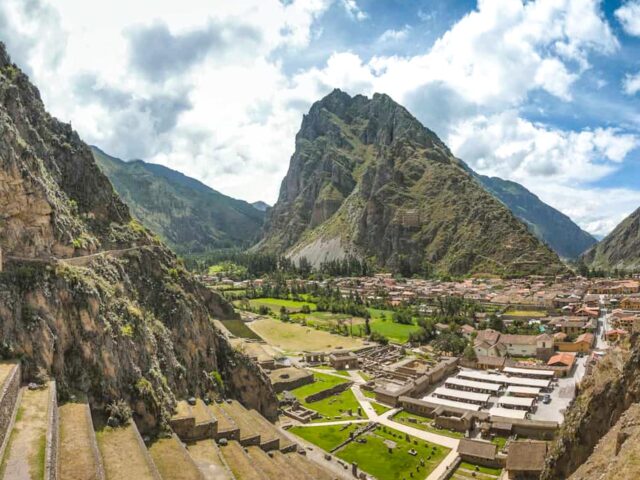
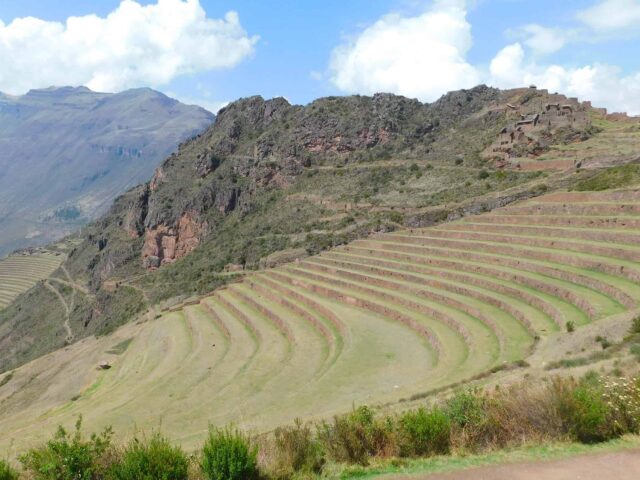
The Sacred Valley is at roughly 9,000 feet. The Sacred Valley is located a little lower than the city of Cuzco (3,399 meters above sea level). This makes the Sacred Valley a perfect place for acclimatization.
What is the highest point of Sacred Valley?
Chinchero,(3725m / 12221ft) and Pisac (2,972m /9,751 ft)are the highest places in the Sacred Valley of the Incas.
What is the lowest altitude in Sacred Valley?
The Sacred Valley of the Incas is located in the Andean highlands of Peru, and its altitude can vary depending on the specific location. However, the lowest altitude in the Sacred Valley is generally considered to be in the town of Urubamba, which sits at an elevation of approximately (9,420 ft). 2,870 above sea level.
Is Sacred valley lower altitude than Cusco?
Yes, the Sacred Valley of the Incas is generally at a lower altitude than Cusco. Cusco sits at an altitude of 3,399 meters (11,152 feet) above sea level, while the Sacred Valley’s lowest point, in the town of Pisac, is at an altitude of approximately 2,972 meters (9,751 feet) above sea level.
This difference in altitude can be beneficial for visitors who are looking to acclimatize to the high altitude of the Andean region gradually. Many visitors choose to spend time in the Sacred Valley before traveling to Cusco to help their bodies adjust to the thinner air, reducing the risk of altitude sickness.