Peru is a country known for its rich culture, stunning landscapes, and, of course, its delicious cuisine. If you are planning a trip to Peru, you have probably heard of ceviche, ají de gallina, and the famous pisco sour. But one question that often comes up among travelers is, “Is Peruvian food spicy?” While this is a valid concern, Peru’s culinary offerings are much more than just spicy.
In this guide, we’ll explore the flavors, ingredients, and culture behind Peruvian food so you know exactly what to expect and how to navigate this tasty journey. Whether you love spicy food or prefer milder options, you’ll discover plenty of dishes to suit your taste.
Let’s get started!
What Makes Peruvian Cuisine So Unique?
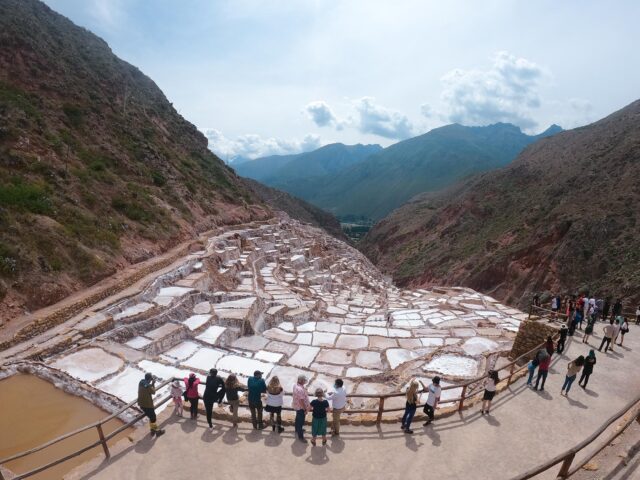
Peruvian food is more than just a collection of dishes; it reflects the diversity of the country’s geography and rich history. Peru is a land of extremes, from the cold, rugged mountains of the Andes to the warm, humid Amazon rainforest. This variety of climates has led to the development of a cuisine that incorporates local ingredients, ancestral cooking techniques, and regional influences.
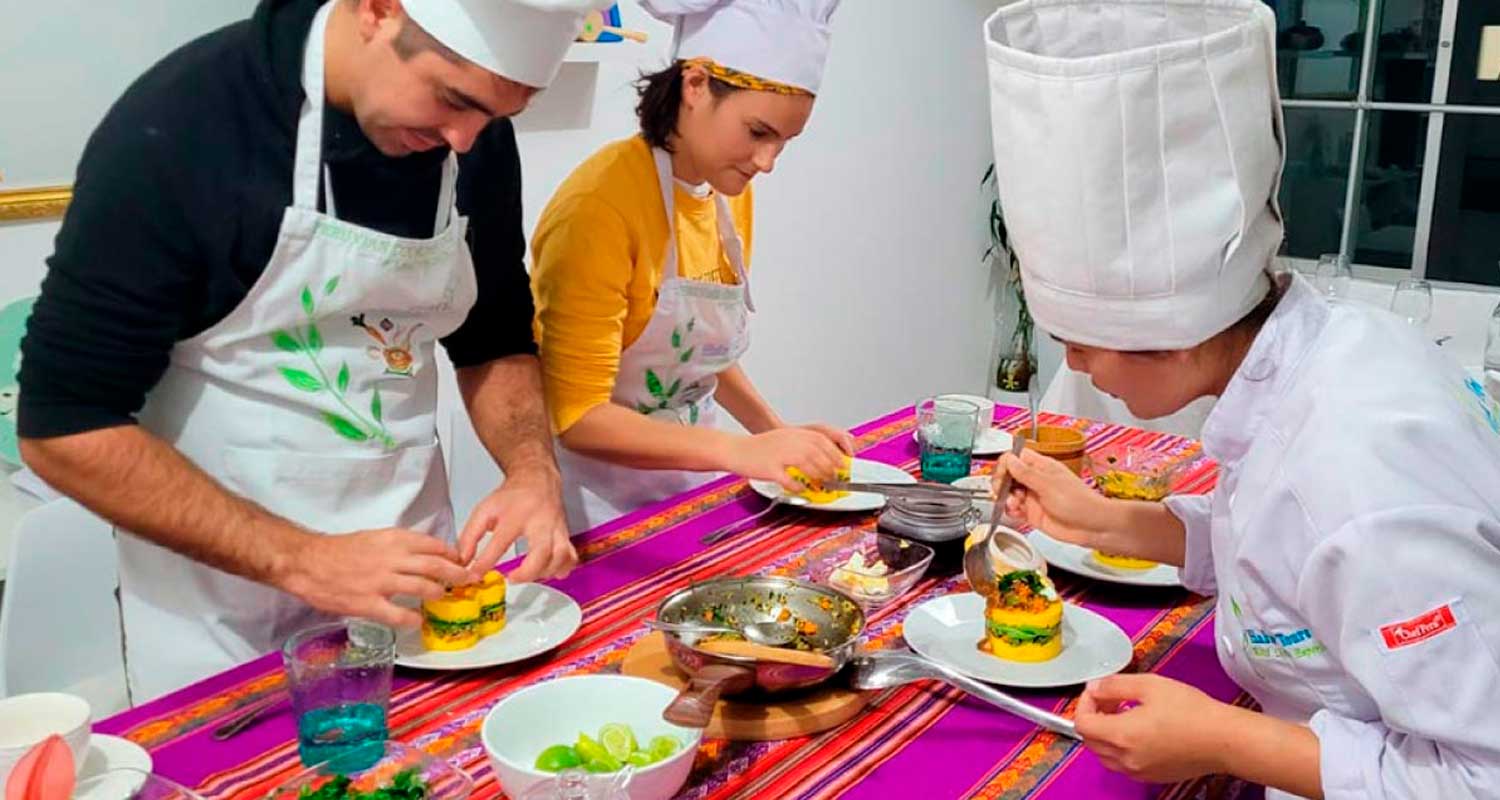
Cooking Peruvian Food
The foundation of Peruvian cuisine lies in the fusion of indigenous, Spanish, African, and Asian flavors. This has resulted in dishes that combine rich and bold flavors and textures in unique ways. For example, the Chinese-Peruvian fusion known as Chifa combines stir-fried rice, noodles, and spicy sauces with local Peruvian ingredients such as potatoes, corn, and fish.
For centuries, key ingredients like corn, potatoes, and quinoa have been staples in Peruvian kitchens, long before Europeans arrived. Peru is also home to superfoods like chia seeds, cacao, and camu camu, all of which have been incorporated into modern diets around the world.
Is Peruvian Food Spicy? The Truth About Spicy Food in Peru
Now, the million-dollar question: is Peruvian food spicy?
Although Peru has spicy dishes, the level of spiciness can vary depending on the ingredients used to prepare the food. The spiciness of Peruvian cuisine is mainly due to the use of ají, a type of chili pepper that is a key ingredient in many dishes. However, the spiciness of these chili peppers is not always intense.
What is ají?
Ají is the most common chili pepper in Peruvian cuisine and comes in a wide variety of types. The best known by peruvians as ají amarillo, which has a medium level of spiciness but also offers a fruity and acidic flavor. Then there is ají panca, a milder variety that adds a smoky flavor to dishes, and ají rocoto, which is significantly spicier.
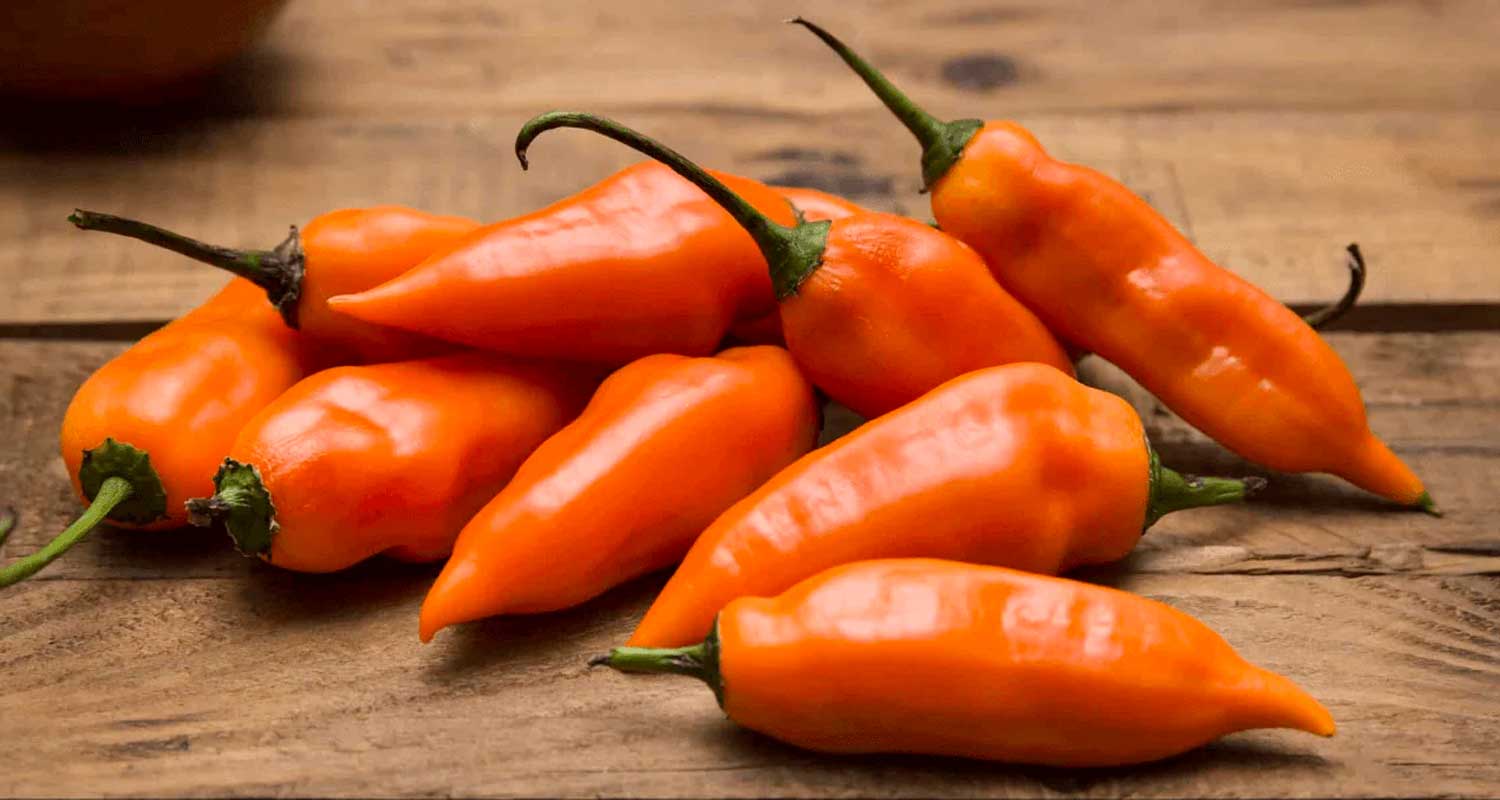
Peruvian Aji
Here’s where it gets interesting: the spice level is usually adjustable. Unlike some cuisines where the spice level is fixed in all dishes, in Peru many restaurants and street vendors allow you to decide how spicy you want your food to be. If you don’t like spicy food, you can always ask them not to add chili peppers or to make your food less spicy, this is a common must do in Peru.
The Different Types of Aji in Peru
In Peruvian cuisine, chili peppers are the key ingredient that gives dishes their characteristic flavor. There are different varieties of chili peppers that vary in flavor and heat level:
Aji Amarillo: This is the most common chili pepper in Peruvian cuisine. It has a fruity flavor and moderate heat. It is essential in many dishes such as aji de gallina, ceviche, and sauces.
Ají Panca: Dark red in color, this chili pepper is milder than the yellow chili pepper. It has a smoky flavor and is mainly used in stews, such as lomo saltado or anticucho.
Rocoto Pepper: This pepper is one of the hottest in Peru. Similar to the yellow pepper, but much hotter, it is used in dishes such as rocoto relleno, a traditional recipe from Arequipa. Be careful with this one if you are not used to spicy food!
Aji Limo: This is another type of chili pepper widely used in ceviche. Its flavor is spicy and citrusy, making it perfect for pairing with fresh fish.
Ají Cacho de Cabra: This chili pepper is less well known outside of Peru, but it has a moderate, spicy flavor. It is common in the Andean region and is used in various stews.
Peruvian Dishes that Aren’t Spicy
If you’re concerned about the level of spice, don’t worry! Peru offers a wide variety of dishes that aren’t spicy at all. Here are some mild dishes that are popular with locals and visitors alike:
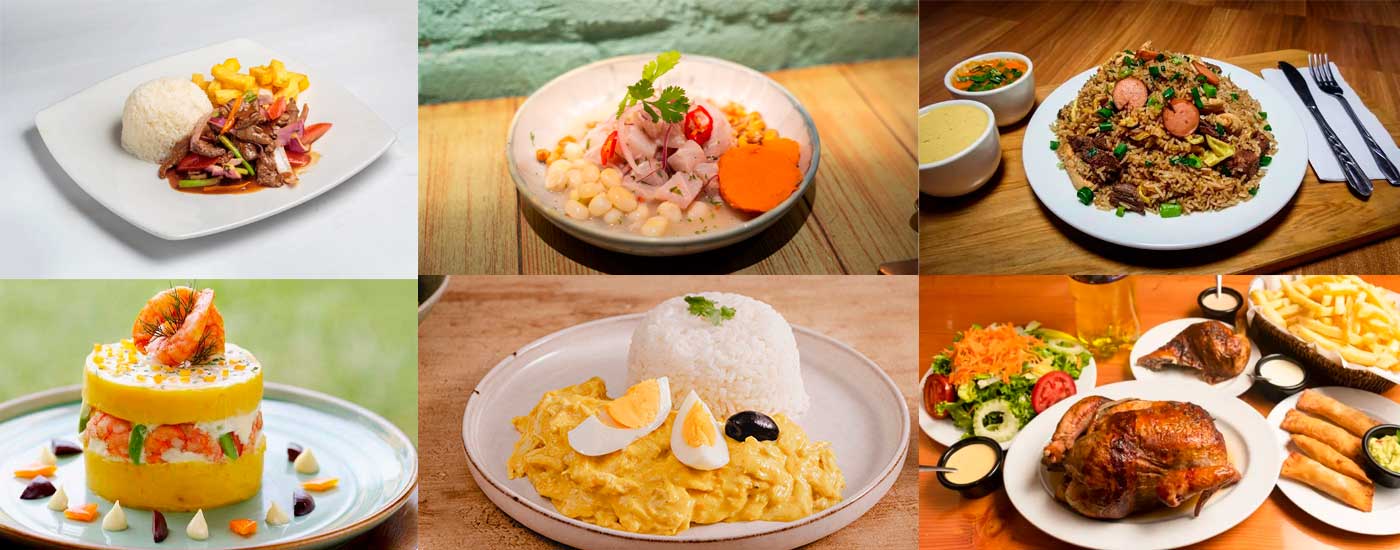
Causa limeña: a cold dish made with mashed potatoes, stuffed with tuna or chicken and served with avocado and a mild sauce.
Pollo a la Brasa: Peruvian-style roasted chicken, usually served with french fries and a mild dipping sauce.
Papas a la Huancaína: Boiled potatoes served with a creamy, non-spicy cheese sauce.
So, yes, although many dishes include spice, there are many options for those wanting milder flavors.
Traditional Peruvian Dishes You Can’t Miss (Spicy or Not!)
Whether you fancy something spicy or prefer something more subtle, here are some dishes you can’t miss in Peru:
Ceviche
This iconic dish is made with fresh raw fish, usually sea bass or sole, marinated in lime juice and served with sliced red onion, cilantro, and yellow chili pepper. It’s a tangy and refreshing dish that can be a little spicy, depending on how much chili pepper is used.
Lomo saltado
A Chinese-Peruvian stir-fry that combines strips of beef, tomatoes, onions, and French fries, sautéed with soy sauce and served over rice. The dish can be prepared with little or no spice, but it is full of flavor.
Aji de gallina
This comforting dish consists of shredded chicken cooked in a creamy yellow chili pepper-based sauce. It has a rich, creamy flavor with a slight kick of spice, making it a favorite of locals and visitors alike.
Rocoto Relleno
This spicy dish is made by stuffing the rocoto pepper (a hot Peruvian chili pepper) with a savory mixture of meat, vegetables, and cheese, then baking it. It is spicy, but the filling usually helps to balance the heat.
Anticuchos
These are grilled beef heart skewers, marinated in a spicy sauce made with ají panca and vinegar. The level of spiciness depends on the amount of chili pepper used in the marinade.
NOTE: If you’re looking for more delicious Peruvian meals that you should not miss, be sure to check out our guide to the best Peruvian dishes
How to Deal With Spicy Food in Peru (Tips for Travelers)
Not everyone is used to the level of spiciness in Peruvian cuisine, but that’s okay! Here are some useful tips to help you enjoy your meals, regardless of your tolerance for spicy food:
Ask for less spice: Don’t be shy! You can always ask for milder dishes or request that the chili be served on the side. Many restaurants will be happy to accommodate you.
Balance it out with rice or potatoes: If a dish is too spicy, eating it with rice or boiled potatoes can help mellow out the heat.
Drink a cold beverage: Pisco sour, a traditional Peruvian cocktail, can refresh your mouth after a spicy meal. If you prefer non-alcoholic beverages, try a glass of chicha morada (purple corn drink), which is refreshing and sweet.
How to deal with spicy food in Peru (tips for travelers)
Not everyone is used to the level of spiciness in Peruvian cuisine, but that’s okay! Here are some useful tips to help you enjoy your meals, regardless of your tolerance for spicy food:
Ask for less spice: Don’t be shy! You can always ask for milder dishes or request that the chili be served on the side. Many restaurants will be happy to accommodate you.
Balance it out with rice or potatoes: If a dish is too spicy, eating it with rice or boiled potatoes can help mellow out the heat.
Drink a cold beverage: Pisco sour, a traditional Peruvian cocktail, can refresh your mouth after a spicy meal. If you prefer non-alcoholic beverages, try a glass of chicha morada (purple corn drink), which is refreshing and sweet.
Tips for Enjoying Spicy Food in Peru
Start slowly: If you’re not used to spicy food, start with dishes that are mildly spicy, such as aji de gallina or lomo saltado.
Drink sparkling water: If you feel overwhelmed by the spiciness, sparkling water or plain yogurt can help relieve the burning sensation in your mouth.
Don’t forget the side dishes: Make sure your meal comes with rice or potatoes to balance the flavors.
Conclusion: Is Peruvian Food Spicy?
Peruvian food is spicy, but not everything served is overly spicy. The spiciness of Peruvian cuisine depends greatly on which dish you choose. For example, in dishes such as ceviche or stuffed rocoto peppers, the spiciness is more pronounced, thanks to the use of yellow chili peppers, rocoto peppers, or limo peppers. But don’t worry, not all dishes in Peru will make you break out in a sweat.
If you’re not a fan of spicy food, Peru has plenty of delicious options that won’t set your tongue on fire. You can try dishes such as pollo a la brasa, papas a la huancaína, or causa limeña, which are super tasty but without that spicy kick that burns your mouth. Plus, if you order at a restaurant, you can ask them to tone down the spice or serve it without chili peppers.
So, in short, yes, there is spicy food in Peru, but you don’t have to worry if you don’t like strong flavors. There are dishes for all tastes, and you’re sure to find something you love without breaking a sweat!