The Inca Empire, which spanned the Andes region of South America, was renowned not only for its vast territory but also for its technological innovations. Despite lacking a written language, the Incas were pioneers in agriculture, architecture, and engineering. Their technologies were deeply embedded within their cultural context, leaving behind an enduring legacy of sophisticated craftsmanship. In this article we will explore importante information abut the technological innovations of the Incas, focusing on their outstanding achievements in engineering, agriculture, medicine, and astronomy.
Table of Contents
ToggleInca Engineering and Architecture: The Art of Stone Mastery
When you think of the Incas, stone architecture likely comes to mind first. This is no coincidence! Their engineering genius is evident throughout the Andes, especially at sites like Machu Picchu, where structures still stand tall centuries later. But what makes Inca architecture truly astonishing? The key lies in their dry-stone masonry technique stones were precisely cut to fit together like puzzle pieces, requiring not a single drop of mortar. This not only ensured structural integrity but also endowed the buildings with remarkable earthquake resistance. Considering the region’s frequent seismic activity, this was certainly a notable accomplishment.
Core Achievements in Inca Architecture:
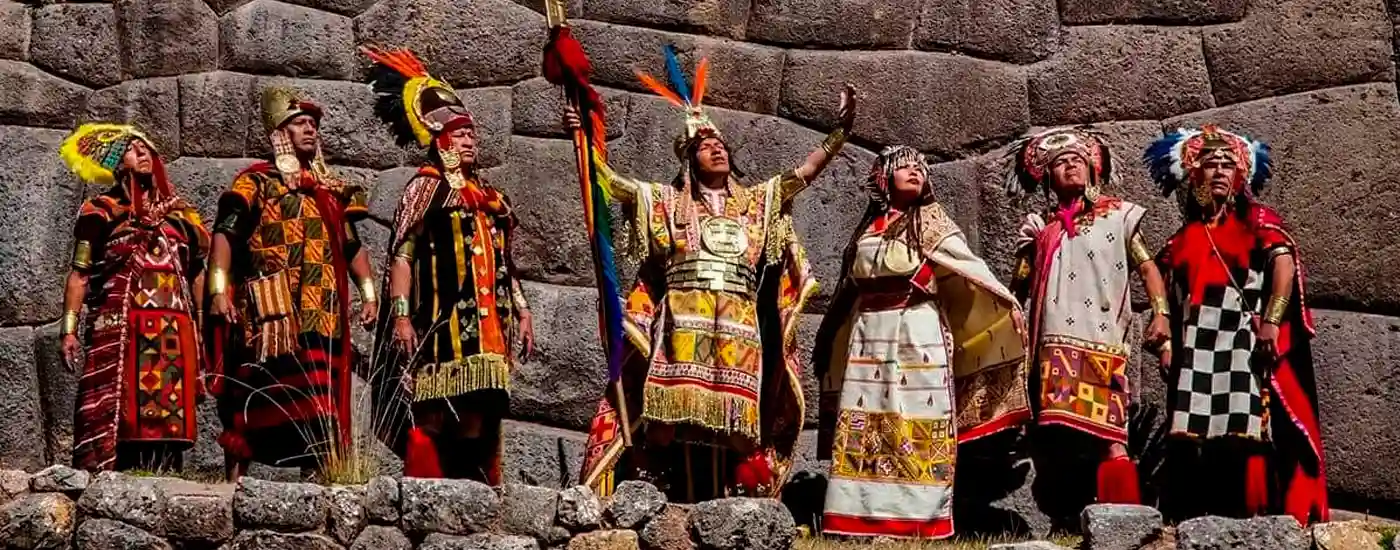
Sacsayhuaman: A massive ceremonial complex in Cusco, renowned for its perfectly fitted megaliths—so tightly joined that not even a sheet of paper could be inserted between them.
Inca Road System: A network spanning over 25,000 miles across the empire, connecting coastal deserts, Andean highlands, and the Amazon basin to facilitate communication, trade, and military mobilization.
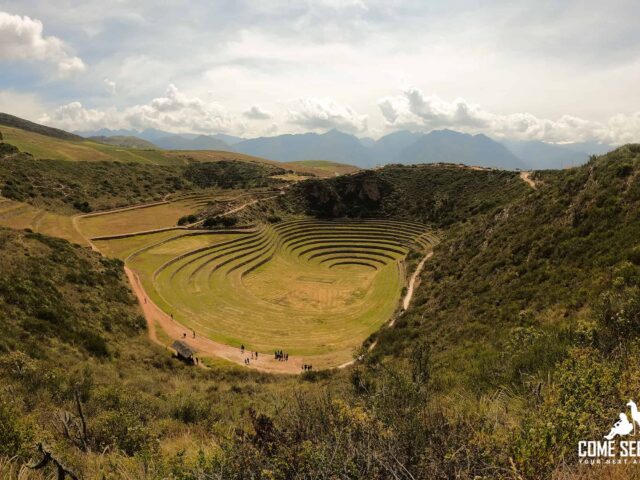
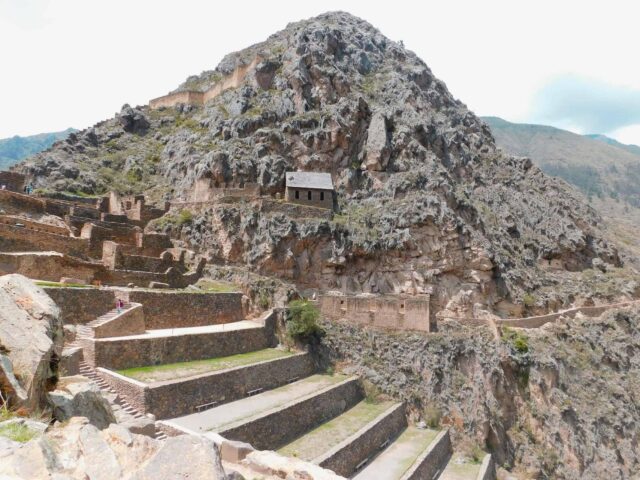
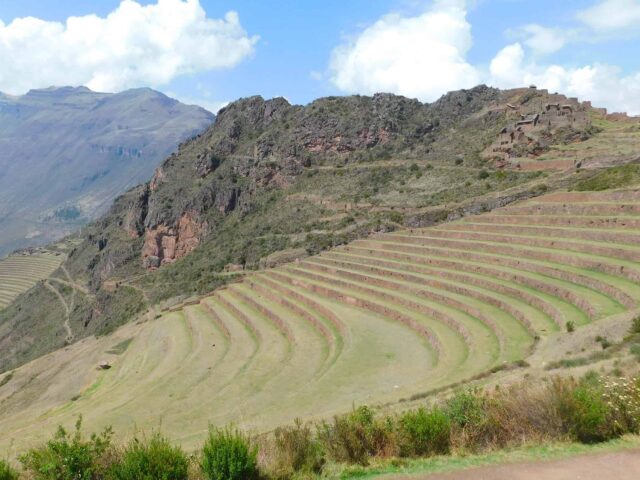
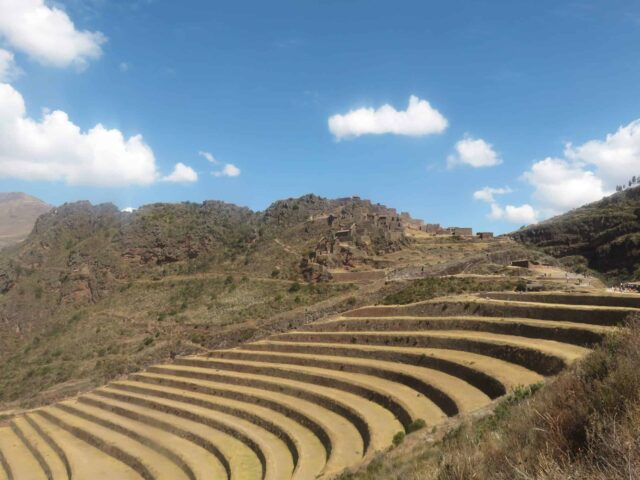
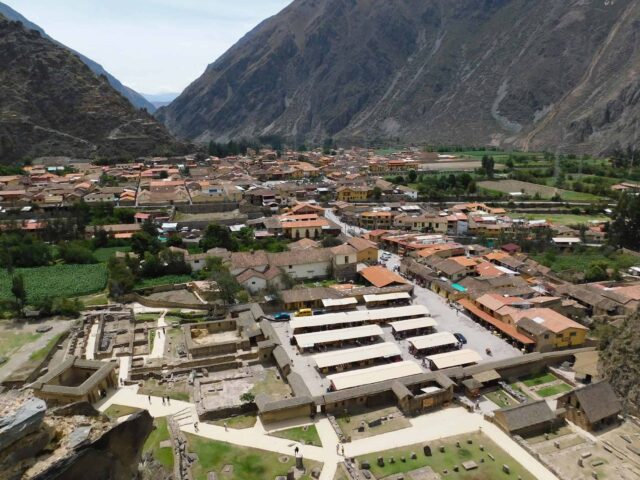
Terracing Systems: As seen at Ollantaytambo, Inca terraces maximized cultivable land on steep slopes, complemented by sophisticated irrigation systems.
Key Sources:
Terence N. Daltroy, a leading archaeologist and Inca historian, authored numerous works on the architectural and engineering achievements of the Inca Empire.
Another prominent scholar, Brian S. Bowler, conducted significant research on the agricultural techniques of the Inca Empire.
Inca Agriculture: Innovative Pathways to Survival
The Incas were not only builders of roads and structures, but also pioneers of agricultural innovation. In fact, agriculture was the backbone of their society. They needed efficient ways to feed a population scattered across such diverse terrain and they succeeded!
Key Agricultural Technologies:
The secret? Terraces and irrigation systems.
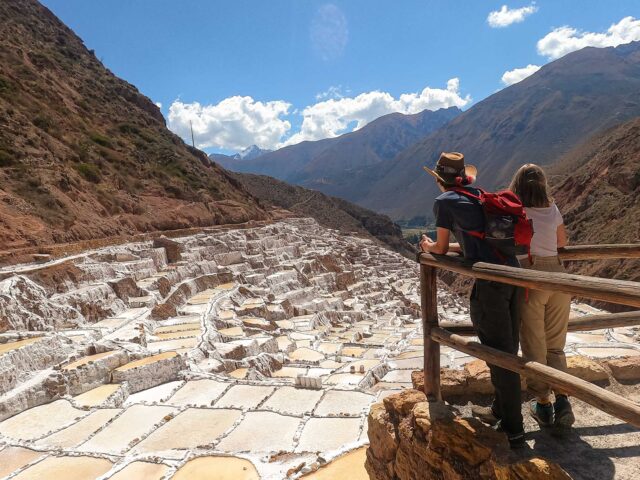
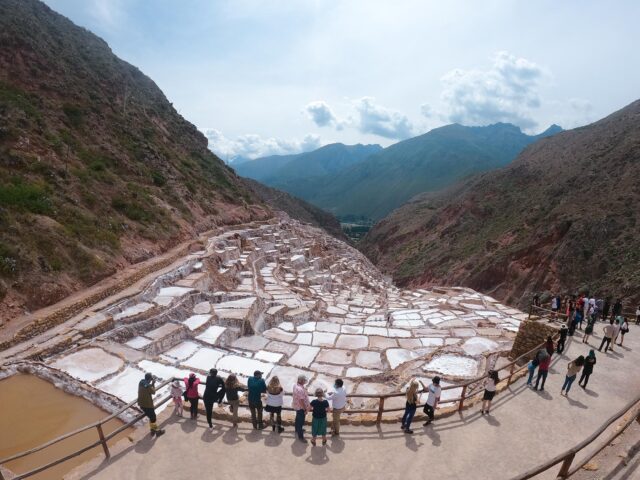
By constructing terraces, the Incas maximized mountainous land, mastering high-altitude farming. Their irrigation networks were equally impressive a web of canals, aqueducts, and reservoirs worked together to deliver just the right amount of water.
Their crop diversity was remarkable potatoes, quinoa, corn, and even freeze-dried meat were staples. While freeze-drying sounds modern, the Incas practiced it for centuries. They harnessed the frigid Andean nights to freeze-dry food for long-term preservation. Imagine the ingenuity required to achieve this in such a harsh environment!
listic Health Practices
Inca medicine integrated herbal remedies, spiritual healing, and practical treatments. They possessed deep knowledge of local plants and their medicinal properties, employing phytotherapy to treat conditions ranging from digestive issues to traumatic injuries. The Incas also performed surgical procedures, including trepanation a technique for treating head injuries.
Key Medical Practices:
Herbal Medicine: The Incas employed numerous plants for medicinal purposes, such as chewing coca leaves to alleviate fatigue and hunger, and using sage to treat respiratory ailments.
Trepanation: Evidence of successfully performed cranial surgery on Inca patients demonstrates highly advanced medical knowledge. The exceptionally high survival rate of such procedures highlights the exceptional skill of Inca surgeons.
Surgical Instruments: The Incas crafted surgical tools from materials like gold and silver, excelling in creating precision instruments capable of performing minimally invasive procedures.
Literature and Research:
Medical anthropologist Luis P. Mendoza has extensively explored Inca medical practices and their application of plant-based healing.
Andean prehistory specialist Richard L. Berger has meticulously documented the intricate connections between Inca spiritual beliefs and their health and medical systems.
Inca Astronomy: Mastering the Heavens
The Incas were also a people deeply versed in astronomy. They utilized the stars, sun, and moon to guide agricultural activities, religious ceremonies, and even military campaigns. The Intiwatana stones are believed to have served as astronomical observatories for tracking celestial movements. The most famous stone pillar at Machu Picchu is thought to hold ceremonial significance when marking the winter and summer solstices.
Key Astronomical Contributions:
Solar Calendar: The Incas developed an accurate calendar based on the sun’s movements to determine optimal planting and harvesting seasons.
Astronomical Observatories: Machu Picchu’s Intiwatana stones are recognized for their astronomical functions, with precise alignments demonstrating the Incas’ ability to track solstices and equinoxes.
Sacred Sites: The construction of sacred structures like the Temple of the Sun in Cusco was based on astronomical orientation principles, highlighting the Inca civilization’s profound connection to celestial events.
Sources and Research:
Anthropologist and Inca culture expert Gary Eaton has extensively explored astronomy’s role in the Inca Empire, particularly its connection to the quipu system—the Inca knotted writing system.
Early researcher Arthur Porsnansky proposed that the orientation of Inca architecture was significantly influenced by their astronomical knowledge.
Inca Communication: The Quipu System
The Quipu System stands as one of the most fascinating aspects of Inca technology. This knot-based system was used to record data, including census information, tribute records, and other forms of communication. Knot-tying was not a written language but rather a memory device that conveyed information through the color, number, and placement of knots.
Core Features of the Quipu System:
Data Recording: Each quipu consists of colored stringgs tied in distinct patterns. Different knot configurations represent numerical values, while cord colors and positions denote other categories such as individuals, locations, or goods.
Non-Literate Society: Despite lacking a written language, the Khipu system enabled the Incas to maintain complex records and govern their empire effectively.
Literature and Research:
Franklin Pease conducted extensive research on the Khipu system, detailing its central role in Inca state governance.
Scholar Susan D. Niles, specializing in Andean cultures, has also conducted extensive research on the quipu and its application within the Inca administrative system.
Conclusion: inca Technology
The technological achievements of the Inca Empire reflect the skill and ingenuity of one of history’s civilizations. Their accomplishments in engineering, agriculture, medicine, and astronomy not only enabled them to thrive in one of Earth’s most challenging environments but also laid the foundation for practices and technologies that continue to inspire admiration today. Even now, as researchers dive deeper into these ancient technologies, we’re still uncovering how the Incas achieved such remarkable feats without written records or modern tools.