If you are planning your dream trip to Machu Picchu, you have probably heard from travelers talking about altitude sickness in Peru. This is a common problem, especially since Cusco is located at the higher altitude. Everyday many first-time visitors wonder: Can you get altitude sickness in Machu Picchu? The short answer is yes, but the risk is much lower than in other nearby destinations. Here’s everything you need to know before you travel.
Table of Contents
ToggleWhat is Altitude Sickness?
Altitude sickness, also known as “soroche” in Peru, occurs when the body has difficulty adapting to high altitudes, where oxygen levels are lower. Symptoms may include:
- Headaches.
- Nausea or stomach upset.
- Dizziness.
- Fatigue.
- Shortness of breath.
Most travelers experience mild symptoms if they ascend too quickly, although severe cases are rare.
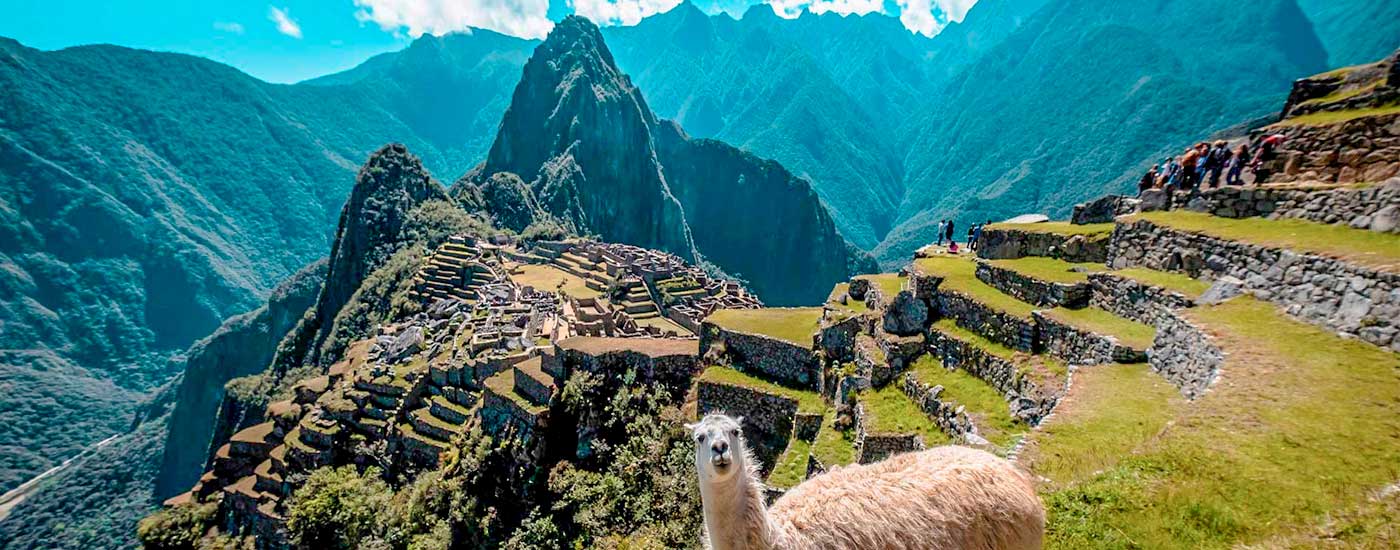
The altitude of Machu Picchu
Here is the key fact:
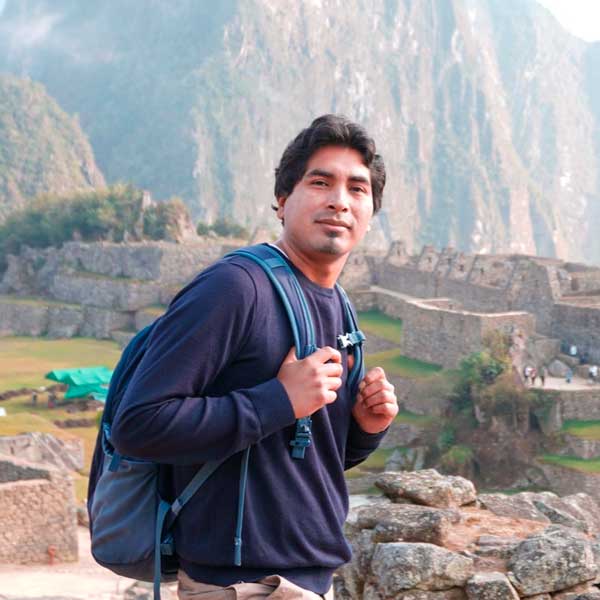
- Altitude of Machu Picchu: 2,430 meters (7,972 feet) above sea level.
- Altitude of Cusco: 3,400 meters (11,152 feet) above sea level.
This means that Machu Picchu is actually at a lower altitude than Cusco, reducing the symptoms of visitors experiencing severe altitude sickness while exploring the Inca citadel.
Therefore, although you may feel the effects of altitude upon arrival in Cusco, many travelers find that their symptoms improve when descending to Machu Picchu.
Can You Get Altitude Sickness in Machu Picchu?
Yes, it is possible, but it is not that common. Since Machu Picchu is located below Cusco, most people feel better once they arrive in Aguas Calientes (You don’t need to acclimatize to visit Machu Picchu). However, some sensitive travelers may experience mild shortness of breath or fatigue due to the altitude.
The greatest risk of altitude sickness is usually in Cusco, higher areas or on multi-day hikes such as the Inca Trail, which reach altitudes above 4,200 meters (13,780 feet).
How to prevent altitude sickness before visiting Machu Picchu
Here are some practical tips to minimize the risk:
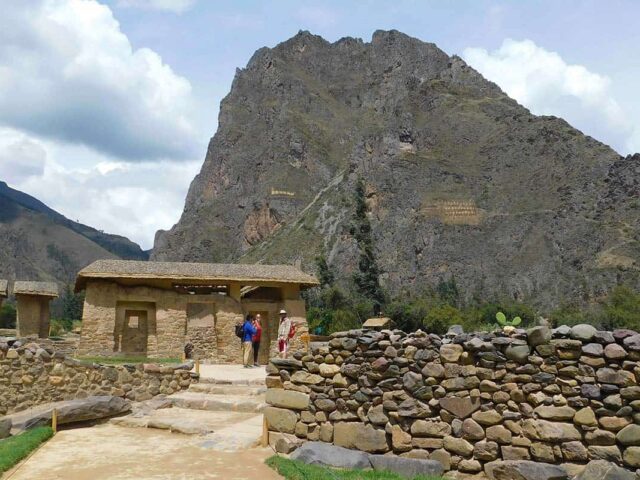
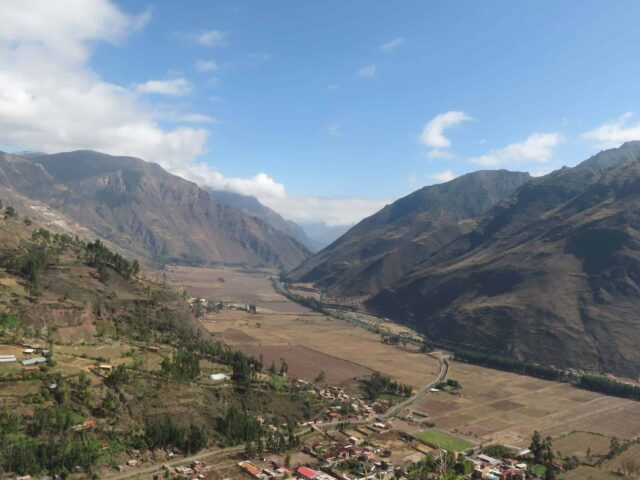
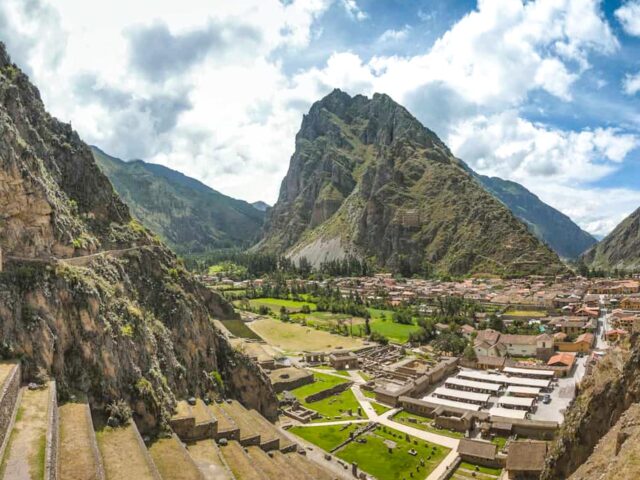
Acclimatize in the Sacred Valley: instead of staying your first day in Cusco, consider staying in Ollantaytambo or Urubamba (at around 2,800 m), which are at a lower altitude and make it easier for your body to adapt.
Stay hydrated: drink plenty of water, avoid alcohol consumption, and reduce caffeine intake.
Take it easy: walk at a comfortable pace while exploring Machu Picchu; do not run up the steep stairs.
Try coca tea or muña tea: a traditional Andean remedy that locals have used for centuries to reduce altitude-related discomfort.
Consult your doctor: if you are prone to altitude sickness, ask about preventive medications such as acetazolamide (Diamox).
What to Do If You Feel Ill at Machu Picchu
If symptoms appear during your visit:
- Rest for a few minutes instead of exerting yourself.
- Drink water and breathe deeply.
- Avoid climbing steep sections until you feel better.
- In severe cases (very rare), return to the town of Aguas Calientes, which is at an even lower altitude, 2,040 meters (6,692 feet).
Keep in mind: altitude sickness usually improves as you descend to lower altitudes.
Conclusions:
So, can you suffer from altitude sickness in Machu Picchu? Technically yes, but the risk is much lower compared to Cusco or other higher places. Most travelers feel perfectly fine while exploring the ruins, especially if you decide to acclimatize in the Sacred Valley and stay hydrated.
If you plan ahead, listen to your body, and follow a few simple precautions, you can fully enjoy your unforgettable adventure in one of the world’s most iconic places without worrying too much about altitude sickness.